Not OP, but I’m going to have to wait until we get depth of field going in a headset, which is still a ways out. There are some desktop units for commercial sale to optimists, but that’s it. With the current VR headsets, having the focal distance never change just doesn’t work well for me.
If you want depth of field then that’s doable with eye tracking with foveated rendering which in addition tracks your eyes’ focal point with active global lens adjustment
Because the only practical alternative is light field displays, which are NOT trivial. We’re talking stacks of prism arrays and stacks of transparent displays or multi-laser projection + stacks of waveguides, etc
Yeah, I was referencing light field displays. I think we’ll eventually see an attempt at a commercial VR unit with light field displays, but I think it’s about a decade away before the first one goes on sale. They also have the added difficultly of needing even more renders from the GPU.
The lense adjustment would still mean that objects at different distances would still all be at the same focal plane, but that the focal plane would change depending on what you’re looking at. I bet it’s probably good enough for most people, but I’ve never heard of it before so I’ll look into it.


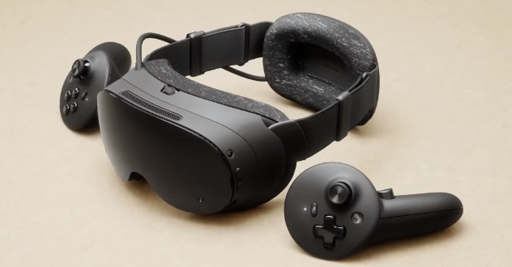
I mean the tech is here unless you’re looking for full holosuite.
Not OP, but I’m going to have to wait until we get depth of field going in a headset, which is still a ways out. There are some desktop units for commercial sale to optimists, but that’s it. With the current VR headsets, having the focal distance never change just doesn’t work well for me.
If you want depth of field then that’s doable with eye tracking with foveated rendering which in addition tracks your eyes’ focal point with active global lens adjustment
Because the only practical alternative is light field displays, which are NOT trivial. We’re talking stacks of prism arrays and stacks of transparent displays or multi-laser projection + stacks of waveguides, etc
Yeah, I was referencing light field displays. I think we’ll eventually see an attempt at a commercial VR unit with light field displays, but I think it’s about a decade away before the first one goes on sale. They also have the added difficultly of needing even more renders from the GPU.
The lense adjustment would still mean that objects at different distances would still all be at the same focal plane, but that the focal plane would change depending on what you’re looking at. I bet it’s probably good enough for most people, but I’ve never heard of it before so I’ll look into it.
If you want reference for the current state of the art in image quality, the Apple Vision Pro “eye window” display is a light field display.
So to do better you need to outspend Apple, by a lot
Wait… What? The focal distance is the difference in image between the two lensesscreens just like irl via the mkI eyeball…
You’re thinking of parallax, focal distance is about adjusting the curvature of a lens (or your eye) so that objects at that distance appear sharp