The memory shortage will also affect phones and other Android devices. But hardware crisis aside, the future will probably evolve some kind of x86 emulation since the PC platform is approaching its limits and the PC gaming community will not tolerate dropping support of the back catalogue.
PC costs certainly aren’t helping, but there’s an entire cross-section of income and age demographics whose only computing device is and has always only been their phones.
I was curious so I looked it up. This site suggests 1 in 7 households in the US “either lack a computer at home or rely solely on a smartphone for internet access”, heavily weighted to lower-income states like Mississippi, West Virginia, Arkansas and Louisiana: https://www.benton.org/blog/computer-ownership-and-digital-divide
It’s already a market, look at all the android gaming headhelds that exist.
The biggest issue is that right now, the best phone processor doesn’t even work as well as well as a steam deck. So you’re paying $500+ to match a $300 device.
Maybe in the future the differences will narrow further as building games for ARM becomes more common which could make android support better.


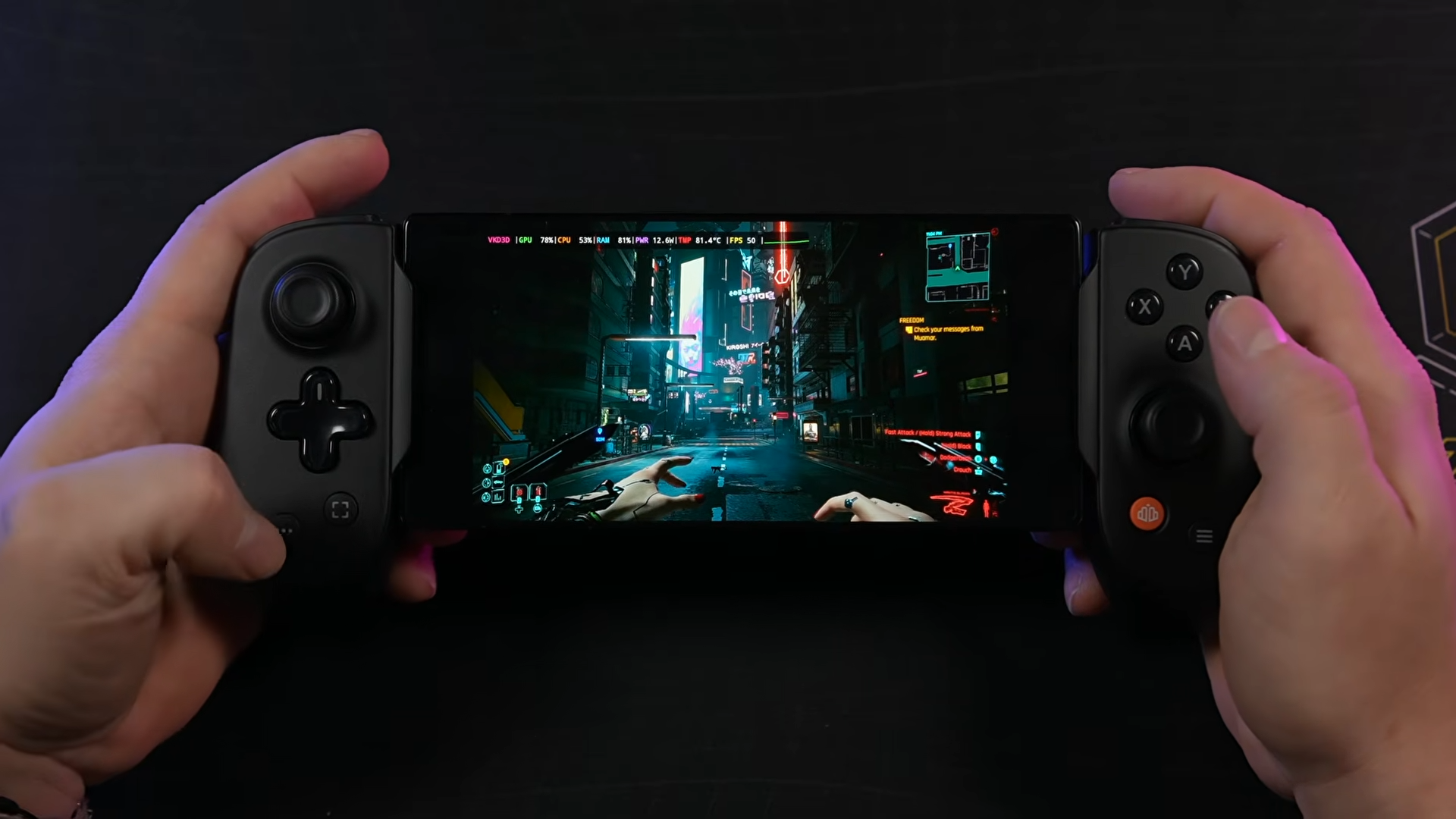
That is petty impressive. I wonder if this will be the future is gaming due to PC costs
The memory shortage will also affect phones and other Android devices. But hardware crisis aside, the future will probably evolve some kind of x86 emulation since the PC platform is approaching its limits and the PC gaming community will not tolerate dropping support of the back catalogue.
PC costs certainly aren’t helping, but there’s an entire cross-section of income and age demographics whose only computing device is and has always only been their phones.
I was curious so I looked it up. This site suggests 1 in 7 households in the US “either lack a computer at home or rely solely on a smartphone for internet access”, heavily weighted to lower-income states like Mississippi, West Virginia, Arkansas and Louisiana: https://www.benton.org/blog/computer-ownership-and-digital-divide
When you look at the numbers outside North America, the numbers show even higher % of people using their smartphone as the primary computing device.
The ruling class world like that wouldn’t they. Android and iOs, both heavily telemetry based operating systems with zero offline privacy.
That’s the future of the PC consumer market that they want.
It’s already a market, look at all the android gaming headhelds that exist.
The biggest issue is that right now, the best phone processor doesn’t even work as well as well as a steam deck. So you’re paying $500+ to match a $300 device.
Maybe in the future the differences will narrow further as building games for ARM becomes more common which could make android support better.