There’s an element of that, or at least there was an element of that. Right now supply chain analysis shows they’re ramping up literally as fast as physically possible. It’s so bad that even basic things like valves, piping, and ceramic components are back-ordered for months or years. A laser tool maker is quoted as waiting more than 40 months for parts now. This is putting supply strain on tens of thousands of components which we never imagined we would suddenly require in much larger quantities.
I think the good news is that on the other side of this, we’ll have unprecedented production capacity for RAM and storage. If AI continues to gobble up capacity, it’ll mean abundant and cheap inference. If it doesn’t, it’ll mean abundant and cheap RAM and storage.
It’s not that simple from the manufacturers perspective.
Setting up a new fab takes years. Usually 5 or more for a grounds up build. Less for an upgrade (1-2 years or so). Lots of in-progress fabs have been sped up and we will see more supply sooner, but not soon enough.
Making less HBM and more DDR RAM doesn’t make sense for $hareholders, so we are stuck with getting supply at a trickle such that the marginal cost for both is equal or it’s a contract with a penalty larger than any profits


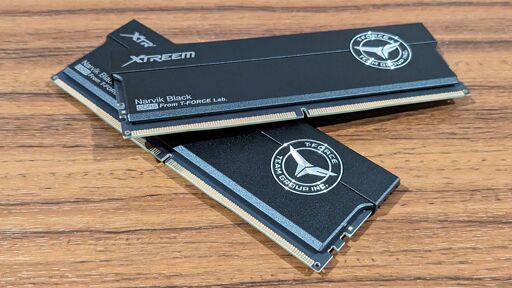
Just make more RAM. 🤷♂️
RAM manufacturers (there aren’t many) don’t want to invest in scaling up production. They know the bubble will pop fairly soon. Also, price fixing.
There’s an element of that, or at least there was an element of that. Right now supply chain analysis shows they’re ramping up literally as fast as physically possible. It’s so bad that even basic things like valves, piping, and ceramic components are back-ordered for months or years. A laser tool maker is quoted as waiting more than 40 months for parts now. This is putting supply strain on tens of thousands of components which we never imagined we would suddenly require in much larger quantities.
I think the good news is that on the other side of this, we’ll have unprecedented production capacity for RAM and storage. If AI continues to gobble up capacity, it’ll mean abundant and cheap inference. If it doesn’t, it’ll mean abundant and cheap RAM and storage.
It’s not that simple from the manufacturers perspective.
Setting up a new fab takes years. Usually 5 or more for a grounds up build. Less for an upgrade (1-2 years or so). Lots of in-progress fabs have been sped up and we will see more supply sooner, but not soon enough.
Making less HBM and more DDR RAM doesn’t make sense for $hareholders, so we are stuck with getting supply at a trickle such that the marginal cost for both is equal or it’s a contract with a penalty larger than any profits