Suppose you’re a RAM maker. You’re raking in fat profits from this maybe-a-bubble situation. Your market forecasts show there’s a risk the bubble might pop. Or that new Chinese sources of your commodity are about to become widely available in the West, cratering your beautiful margin. What do you do?
One thing you might do is: encourage the public to buy now, while prices are still high.
That’s the way they like it. Building more capacity costs shitloads of money, and reduces the price of your product. ASML, TMSC are a racket.
If a major player like the US govt decided they wanted an ASML machine and didn’t want to wait, ASML would find a way to make more in parallel. It would cost billions more, but that just makes it expensive, not impossible. With the right incentive, anything is possible. ASML and TSMC aren’t incentivised to change the current market.


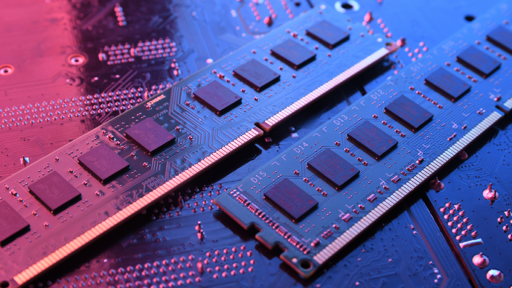
Suppose you’re a RAM maker. You’re raking in fat profits from this maybe-a-bubble situation. Your market forecasts show there’s a risk the bubble might pop. Or that new Chinese sources of your commodity are about to become widely available in the West, cratering your beautiful margin. What do you do?
One thing you might do is: encourage the public to buy now, while prices are still high.
Certainly you don’t invest in more production capacity, if you suspect that demand will crater before your new production comes online.
I thought ASML was backordered for like years?
That’s the way they like it. Building more capacity costs shitloads of money, and reduces the price of your product. ASML, TMSC are a racket.
If a major player like the US govt decided they wanted an ASML machine and didn’t want to wait, ASML would find a way to make more in parallel. It would cost billions more, but that just makes it expensive, not impossible. With the right incentive, anything is possible. ASML and TSMC aren’t incentivised to change the current market.
If those companies that ordered suddenly go boom, those orders are financially worthless.