Really we’ve been gradually approaching a convergence for a while, really we passed it a while ago, where smart phones are indistinguishable in terms of meaningful capability.
Intialy the barrier was memory and processing power, but really, we crossed that bridge a decade ago, if you count the really low end net books. For a while the main gap was in the fact that one set ran on ARM and the other X86, so there was just a gap in what software that could be run on ether. But these days that’s hardly significant issue with the myriad translation layers.
Hell, you’ve been able to plug a keyboard and mouse in to android and IOS for a while now, and external monitors are also workable. So input and form factor aren’t a huge issue. Really the limitation is that most people who want a laptop or desktop form factor… will just buy one of those and people who want a mobile will get one of those. Most people will just get both.
Honestly I think most people buying laptops for work would be better served by adding a mouse keyboard and external monitor to their phone (ideally in some sort of laptop shaped phone dock with an extra battery), but mobile OSs are cludgy with that kind of set up. Maybe android merging chrome OS in to it will bridge that issue.
But really I don’t think Google, Microsoft or Apple really want to do something like that because it might cause mobile sales to cannibalize thin and light laptop sales. I mean, maybe Google would because they don’t really have much skin in the laptop game.
Nah, screen size and touch use are still vastly different usecases. And so is the software ecosystem. Microslop couldn’t overcome it and neither the web. Rather; mobile-first webdesign (and Gnome) now mostly neglects desktop use.


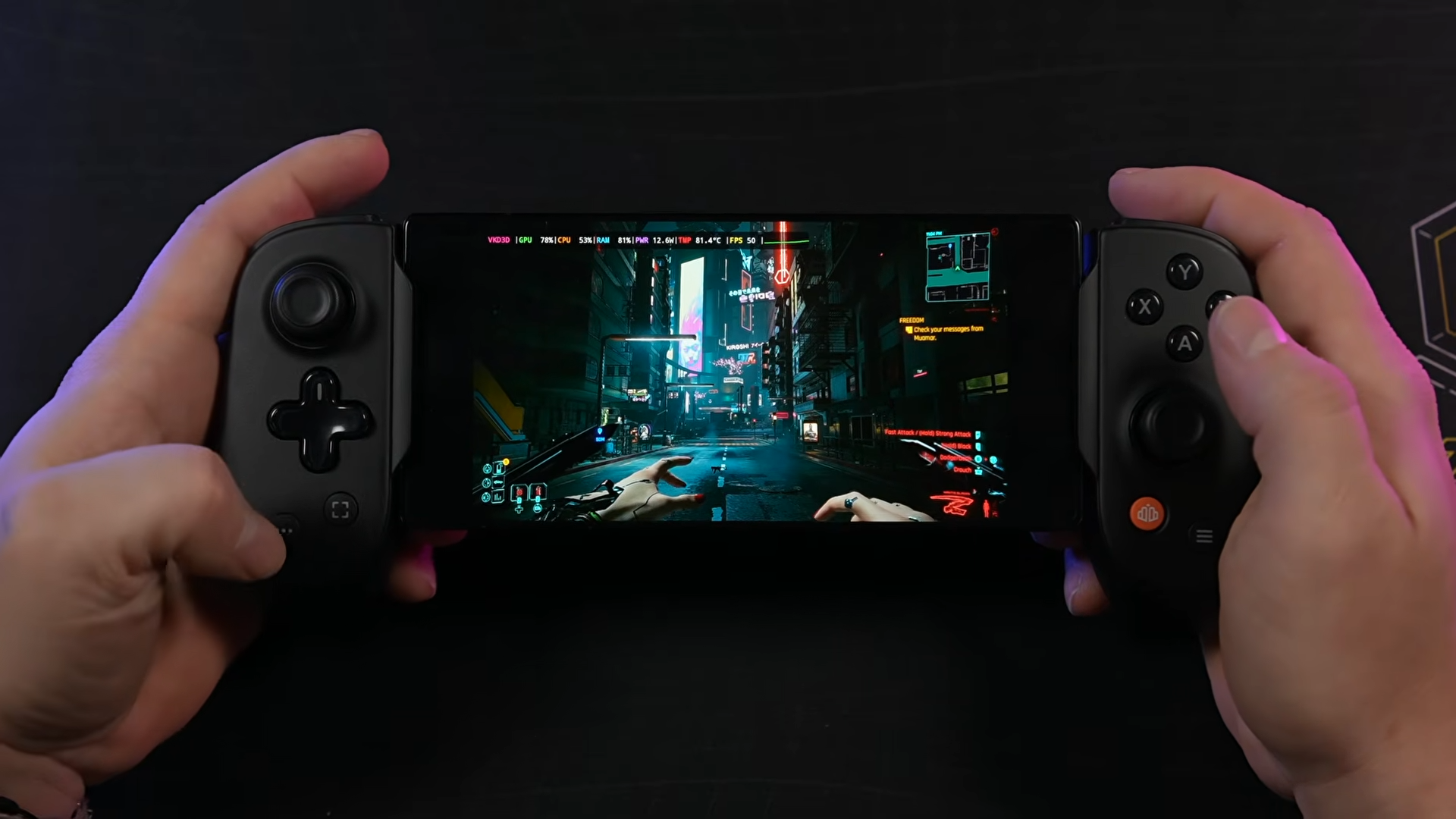
Really we’ve been gradually approaching a convergence for a while, really we passed it a while ago, where smart phones are indistinguishable in terms of meaningful capability.
Intialy the barrier was memory and processing power, but really, we crossed that bridge a decade ago, if you count the really low end net books. For a while the main gap was in the fact that one set ran on ARM and the other X86, so there was just a gap in what software that could be run on ether. But these days that’s hardly significant issue with the myriad translation layers.
Hell, you’ve been able to plug a keyboard and mouse in to android and IOS for a while now, and external monitors are also workable. So input and form factor aren’t a huge issue. Really the limitation is that most people who want a laptop or desktop form factor… will just buy one of those and people who want a mobile will get one of those. Most people will just get both.
Honestly I think most people buying laptops for work would be better served by adding a mouse keyboard and external monitor to their phone (ideally in some sort of laptop shaped phone dock with an extra battery), but mobile OSs are cludgy with that kind of set up. Maybe android merging chrome OS in to it will bridge that issue.
But really I don’t think Google, Microsoft or Apple really want to do something like that because it might cause mobile sales to cannibalize thin and light laptop sales. I mean, maybe Google would because they don’t really have much skin in the laptop game.
Nah, screen size and touch use are still vastly different usecases. And so is the software ecosystem. Microslop couldn’t overcome it and neither the web. Rather; mobile-first webdesign (and Gnome) now mostly neglects desktop use.