It’s a smart move by sony. Apple, google, and meta all spent zillions of dollars on vr/ar development, and yet all of them didn’t get significant consumer uptake, and all of them don’t see profit even on a remotely envisionable horizon. So it seems very smart to get out of that market, especially now while you can still get back a lot of money from selling your patents
Same reason they make any hardware - because ‘computer gamer’ is a self-selective higher income demographic, so Valve can charge higher than their component cost and if it succeeds, great, hopefully that’ll translate into more Steam store game sales that they take 30% of (the real profit). If not - no big loss, since very little was invested/risked under that model.
Valve don’t make any of their budgets or financials public, which makes analysing “is this a profitable market sector” near impossible with respect to them.


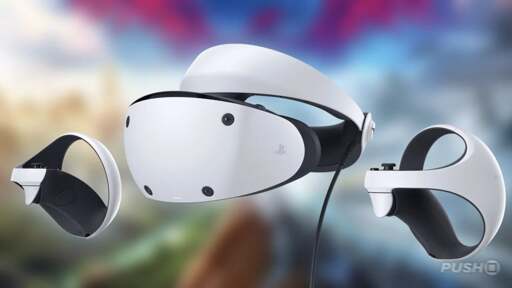
It’s a smart move by sony. Apple, google, and meta all spent zillions of dollars on vr/ar development, and yet all of them didn’t get significant consumer uptake, and all of them don’t see profit even on a remotely envisionable horizon. So it seems very smart to get out of that market, especially now while you can still get back a lot of money from selling your patents
Why is Valve selling VR headsets then?
Somebody needs to sell something that isn’t an enshittified dumpster fire of a platform, right?
Same reason they make any hardware - because ‘computer gamer’ is a self-selective higher income demographic, so Valve can charge higher than their component cost and if it succeeds, great, hopefully that’ll translate into more Steam store game sales that they take 30% of (the real profit). If not - no big loss, since very little was invested/risked under that model.
Valve don’t make any of their budgets or financials public, which makes analysing “is this a profitable market sector” near impossible with respect to them.
How is that related to what i said in my comment?