
Huh, so piracy was less harmful to them than Microsoft. Who’d have thought?
Turns out Microsoft were the real pirates of silicon valley all along.
There actually was a TV movie called Pirates of Silicon Valley. And yeah, Microsoft was the villains at the end of the movie.
It wasn’t actually piracy, so much as ripping off customers.
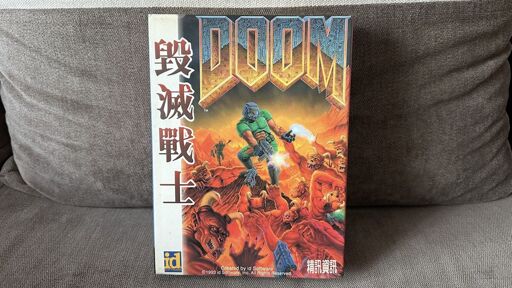
What they were selling was copies of the shareware demo version of doom, which was supposed to be free. When id found out, they sold them empty boxes to put the shareware in and keep selling it.
If people bought the demo and liked the game, they would buy the full version from id by mail order.
Kinda shady tbh.
From the wiki:
By late 1995, Doom was estimated to be installed on more computers worldwide than Microsoft’s new operating system, Windows 95. According to Wilbur, by June 1996 it had been downloaded 20 million times. According to PC Data, by April 1998 Doom’s shareware edition had yielded 1.36 million units sold and US$8.74 million in revenue in the United States. This led PC Data to declare it the country’s 4th-best-selling computer game since 1993.
Lots of people still didn’t have good Internet access in the 90s, so shareware was often sold for cheap in software stores— especially Doom.
It’s hard to recall, but I’m my country you’d get the shareware floppies from a special rack at the computer store. I can’t remember the price but it might have been a few dollars
Not sure if it’s better or worse, but I get “full of shit” vibes from this story. Like he just wanted a “look how unconventional we were” story and didn’t think through how it sounded. Who knows
No since the first episode was free anyway they didn’t make money on it, but they wanted more copies distributed as much as possible so people would pay for the additional episodes they actually sold. Its a good sales strategy.
So they were fine that those people ripped off future customers of theirs selling the actually free shareware, because in the end those ripped off gamers had to anyway pay id for the full game? And not only that, they even tried to benefit more from it by selling those same scammers the actual game boxes to do this with? Sorry, this is not the positive take that Romero thinks it is.
Back then internet wasn’t freely available. While I don’t know the situation in Taiwan back then, but it getting it on a floppie might have been the easiest way. A physical thing that still cost money and time to write. Selling cheap to the pirates still made them some money, the pirates saved time spent writing drives, and they could make sure the customers got official boxes with correct contact information on.
Where I come from you went and bought PC magazines bundled with floppies and later CD that had a demos and shareware products on. The magazine was often not the interesting thing in the bundle. So calling it ripping off is a bit harsh, the pirates were providing a service. Even with access to the internet, surfing the web did not work the same as it do today. Without an address it could be hard to find pages.
He is basically saying that they knew what scammers (not pirates, literal scammers) were doing to their consumers, and they not just allowed it, but incentivized them to scam people by selling them legit boxes. Or, in other words, they straight up made a partnership with scammers, becoming scammers themselves, in order to profit from the whole scheme. That’s actually fucked up! And the article title is a hell of a reality bending.
Was this a case of them not being allowed to sell doom in that country legally?
The article has the answers you seek.
The thing being sold by the pirates was a free demo of the game that they didn’t have the infrastructure to properly distribute in some places. Letting the pirates sell it drummed up interest for the full game that they were selling.
There were probably plenty of other ways they could have done this without letting people be scammed but this was likely just the easiest.
the line between “legit” and “scammer” is pretty blurry assuming they were really just copying the free-to-copy shareware and selling the floppies.